Lake Norman-area homes may use public water or private wells, requiring different records and testing choices.
A standard home inspection is not a water-quality analysis; separate testing is a due-diligence choice.
Confirm How the Home Gets Water
Ask the seller whether the home has community water or a private well. Do not infer the answer from the neighborhood or listing. Request the provider's name for a public connection. For a well, ask where equipment is located and whether well and water-treatment records are available.
That answer shapes the rest of your review. It also separates an inspection of accessible plumbing from a decision to sample drinking water. If the house has a treatment device, ask what it is intended to address, whether it is leased or owned, and what maintenance documentation is available. A device alone does not establish water quality at the tap.
Review Public-Water Information Thoughtfully
For a home on public water, ask for the current Consumer Confidence Report, also called the annual drinking-water quality report. EPA says community water systems provide these reports each year. They identify the source water, regulated contaminants found locally, and certain compliance or health information. The provider can supply a copy, and EPA offers a report search tool if you need to locate it.
Use the report as background on the system serving the address, then ask practical questions: Which utility bills the home? Is service active? Are there notices or planned work the seller knows about? The report cannot answer every water-at-the-tap question inside one house. The service line, fixtures, and household plumbing can matter, particularly when you are considering lead.
Treat a Private Well as a Due-Diligence Item
Private wells are different because the household is responsible for its drinking water. EPA notes that private domestic well water is generally not regulated under the federal Safe Drinking Water Act. Ask the seller for prior laboratory reports, testing dates, well construction or repair records, and details about treatment equipment. Older paperwork can inform questions, but it does not establish current water quality.
CDC advises private-well users to test at least annually for harmful germs and chemicals. For a purchase, discuss appropriate sampling with the local health department or a state-certified laboratory, especially if records are missing or water characteristics have changed. Ask what was tested, where the sample was collected, and whether instructions were followed. Those details make results more useful during negotiations.
Put Lead on the Buyer Question List
Lead is not limited to one water-source type. CDC explains that it can enter drinking water from pipes, faucets, fixtures, solder, and fittings. It cannot be seen, tasted, or smelled. A public-water report is valuable, but it should not replace questions about the home's service line and plumbing materials. Ask what is known about those materials and whether related work has been done.
A focused lead test may be worth discussing when the plumbing history is unclear or when a household includes young children or someone who is pregnant. CDC notes that infants who consume formula made with lead-contaminated tap water can face greater risk because of the volume they consume relative to body size. Follow laboratory directions closely; results can vary with sampling method, flow, timing, and other factors.
Match the Test to the Decision
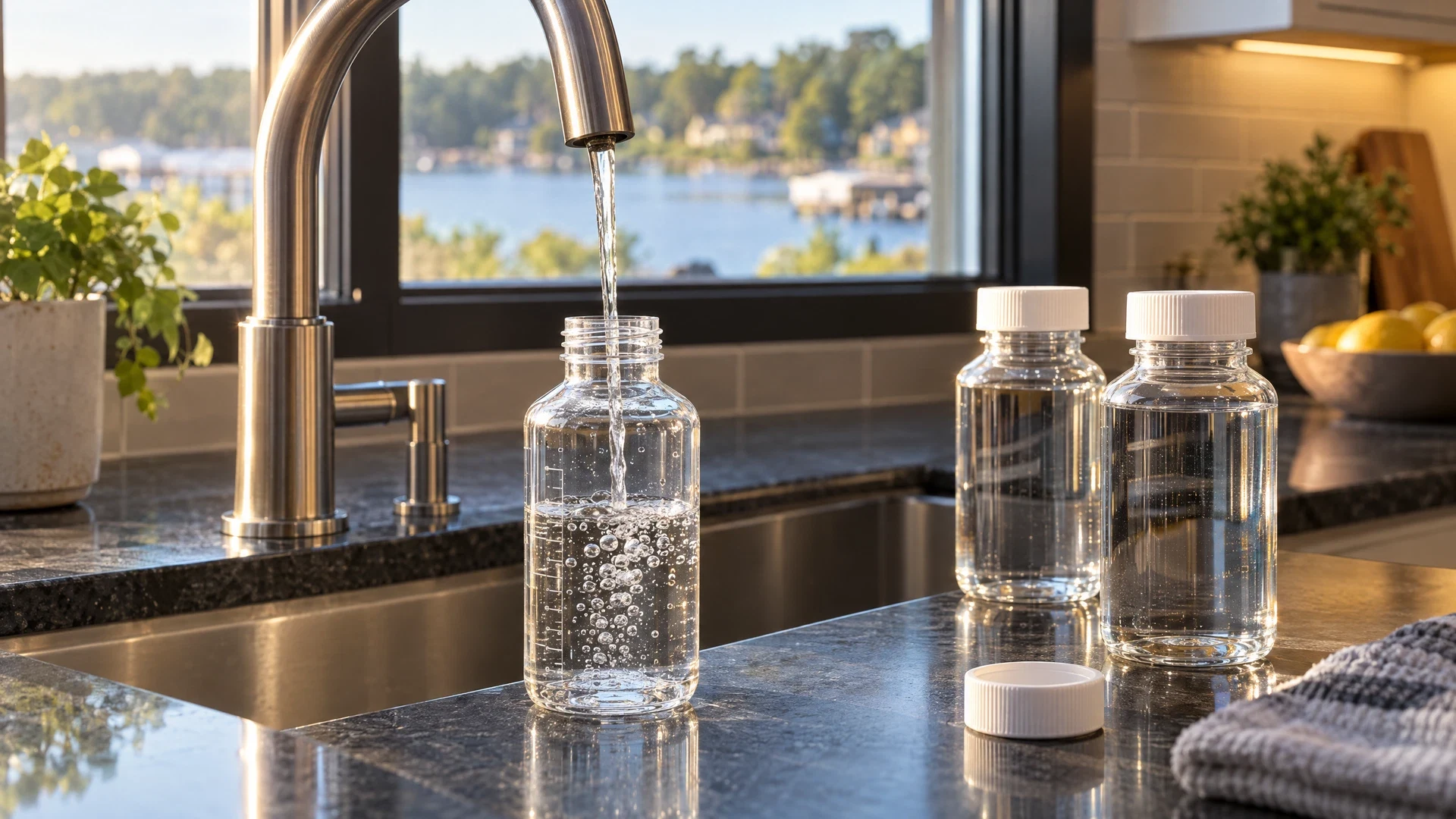
Testing should answer a specific question rather than become a reflexive add-on. Royal Home Inspections offers focused lead testing and a comprehensive 53-analyte laboratory panel for Greater Charlotte and Lake Norman homes. Review the panel's analyte list, collection instructions, turnaround expectations, and reporting format. A focused option may suit a defined lead concern, while a broader panel can provide more context when the concern is wider.
Royal's owner and lead inspector, Derek Ciraulo, NC inspector #6010, schedules one inspection per day and provides detailed, photo-rich reports with no-pressure recommendations. Use that time to raise water-source and testing questions alongside visible plumbing findings. Sellers can help by organizing utility, well, and treatment records before listing. Buyers can then choose a testing scope based on the property and information available.