MOLD INSPECTIONS AND TESTING
Look beyond the musty smell
Mold inspection and testing from Royal Home Inspections helps identify visible concerns, moisture clues, and when further evaluation may be useful.
A closer look.
A useful answer.
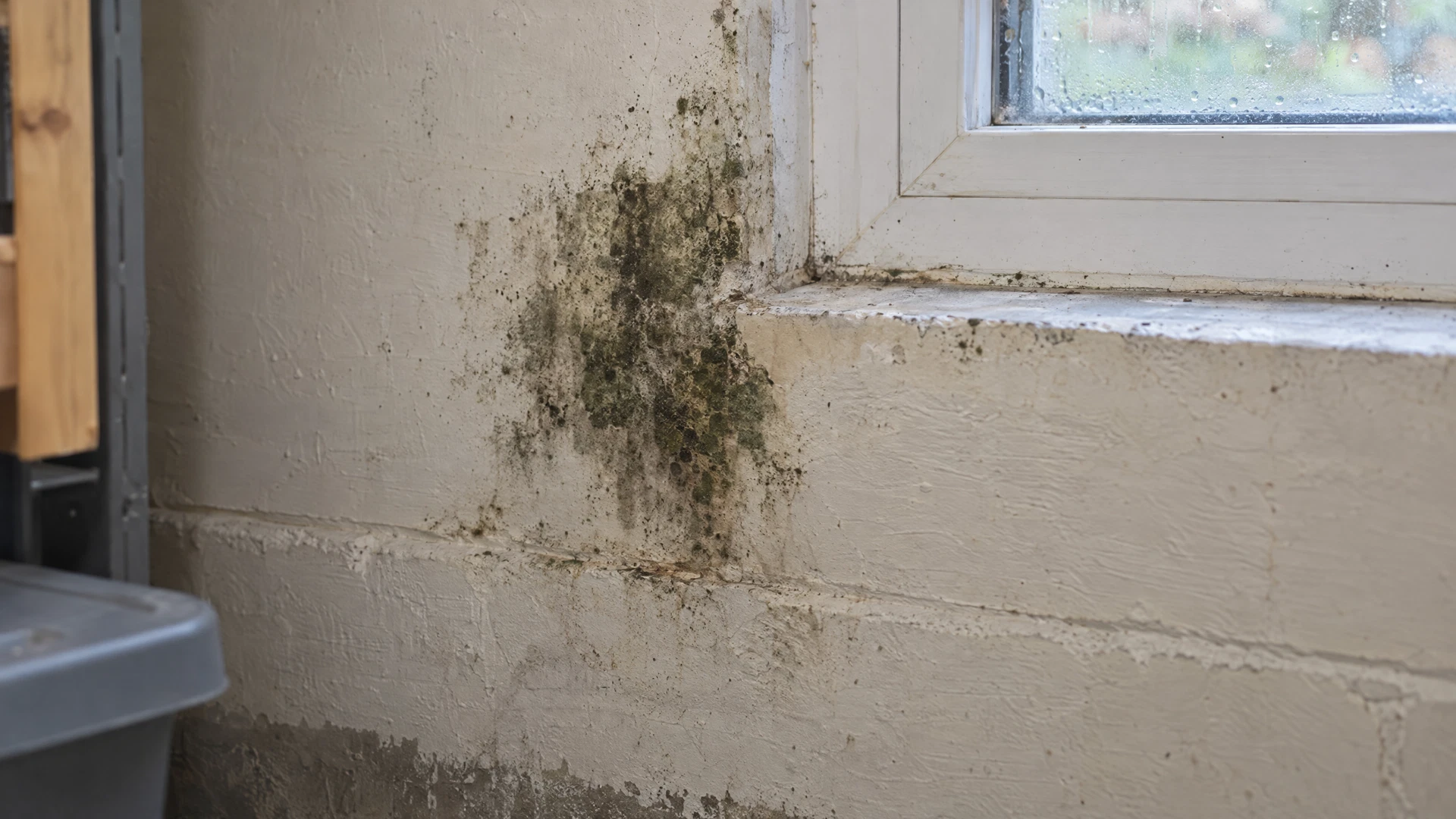
A musty odor, prior leak, or suspicious staining can raise questions about mold and moisture. Royal Home Inspections serves Greater Charlotte and Lake Norman, including Mooresville, Huntersville, Cornelius, Davidson, Denver, and Statesville. Derek checks visible, safely accessible areas prone to moisture, such as crawl spaces, basements, attics, bathrooms, and around HVAC equipment.
When appropriate, testing may include air samples compared with an outdoor control and surface samples from visible staining or suspected growth. Samples add information about the places sampled at that time; they cannot show that the entire home is mold-free or certify it as safe. Findings can help buyers, owners, and sellers decide whether further evaluation may be useful.
Focus on moisture clues
Mold is associated with excess moisture. The evaluation considers visible signs and possible contributors, including leaks, condensation, humidity, ventilation, or drainage—not just sample results.
Sampling with context
Air and surface samples may help answer a question alongside an on-site evaluation. EPA says visible mold often does not need sampling and no federal standards define airborne mold limits. Results are not a health diagnosis or safety certificate.
Clear, buyer-first guidance
Royal emphasizes straightforward education and no-pressure recommendations. If findings suggest more investigation or remediation advice, you can decide what to pursue next.
What we look at.
And what it tells you.
Visible, accessible areas
The evaluation covers only areas that can be safely seen and accessed, including moisture-prone crawl spaces, basements, attics, bathrooms, and areas near HVAC equipment.
Moisture-related observations
Derek looks for staining, suspected growth, and apparent moisture contributors such as leaks, poor ventilation, or drainage concerns. This is not a destructive investigation.
Air and surface samples when selected
Air samples may be compared with an outdoor control; surface samples may be taken from visible staining or suspected growth. Sampling does not check concealed areas or rule out mold elsewhere.
Boundaries and next steps
The service does not include mold removal, opening walls or flooring, or diagnosing health effects. No result certifies a home as safe; further specialist evaluation may be appropriate.
When should I consider mold testing?
Consider an evaluation for persistent musty odors, past or active leaks, dampness in a crawl space or attic, or suspected HVAC condensation. It may also be useful before purchase. Visible growth may not require sampling.
Can a mold test prove that a home is safe?
No. Sampling reflects only the locations and conditions sampled at that time. It cannot certify a home as safe, rule out concealed mold, or diagnose health conditions. EPA has no federal airborne mold standards.
Will the inspection open walls or remove materials?
No. The evaluation is visual and limited to safely accessible areas. If a concern may extend behind a finished surface, a separate specialist can advise whether further investigation is appropriate.
One home a day. Your full attention.