Standard Home Inspection In North Carolina
What to expect?
Whether you choose us or not, the most important step you can take is understanding the home you’re buying. In North Carolina, a standard home inspection is designed to provide a thorough evaluation of the home’s visible and accessible components so you can make an informed decision.
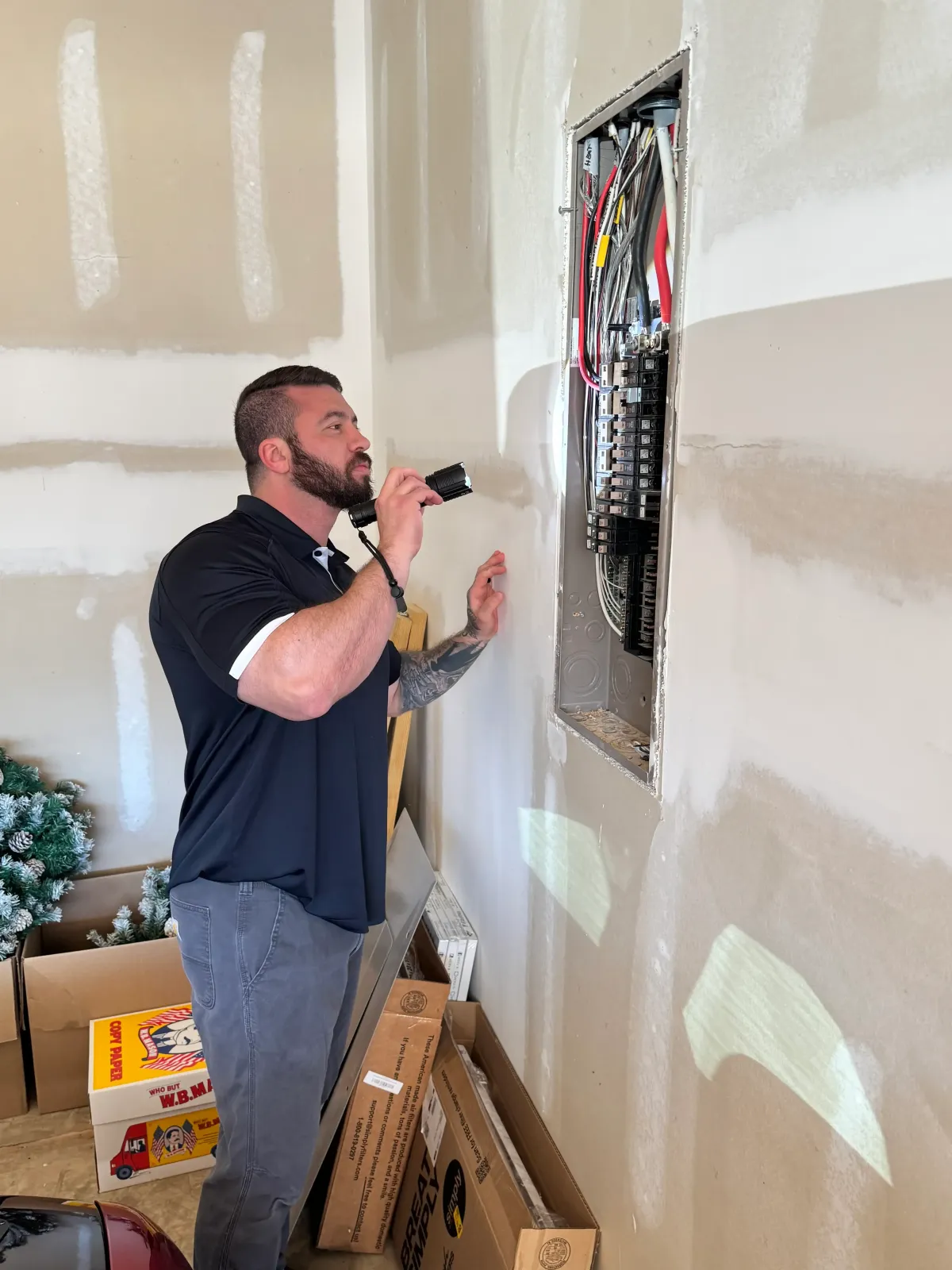
A typical home inspection generally takes 3–4 hours, depending on the size, age, and condition of the home, as well as any additional services requested. During the inspection, our inspector works independently to methodically evaluate the property without interruption, ensuring nothing is overlooked.
We encourage buyers and their real estate agents to join us toward the end of the inspection. At that time, we’ll walk through the home together, review key findings, and explain any concerns in clear, easy-to-understand terms. This allows you to ask questions, gain clarity, and better understand the home’s condition without slowing down the inspection process.
For first-time homebuyers, our inspections also serve as a valuable introduction to homeownership and ongoing maintenance. For more experienced buyers, we focus on identifying significant defects, safety concerns, and major systems that may impact your decision.
Throughout the inspection, we take digital photos and videos to document our findings. After the inspection is complete, we prepare a detailed written report outlining observed conditions and recommendations. Reports are typically delivered the same day in an easy-to-read digital format, unless special arrangements are made.
Our goal is to provide you with clear, accurate information so you can move forward with confidence.
What's Included
All of our home inspectors are licensed in the State of North Carolina and perform inspections in accordance with the North Carolina Home Inspector Licensure Board (NCHILB) Standards of Practice, which outline the minimum requirements for a home inspection. At Royal Home Inspections, we go beyond these minimum standards by using specialized equipment on every inspection, including thermal imaging cameras, moisture meters and gas leak detectors, to help identify conditions that may not be visible during a standard visual inspection. Our inspection process follows the North Carolina Standards of Practice while incorporating our own best practices, developed through experience inspecting homes throughout the Lake Norman and Greater Charlotte areas, and applies to single-family homes and townhomes.
Roof Covering
We place our ladders on the house and climb up on the roofs to inspect them. We feel this is the best way to inspect them. Some common-sense exceptions would be unsafe roofs, roofs not accessible with a 12′ ladder, snow-covered, etc.
Gutters and roof drainage systems. We’re big proponents of gutters.
Flashing (and poor flashing) is typically reported.
Skylights, roof vents, plumbing vents, and other roof penetrations are inspected.
Chimney, Fireplaces
Chimney crown
Chimney flashing
Fuel-burning fireplaces, stoves, and fireplace inserts. This means both wood burning fireplaces and gas fireplaces.
Fuel-burning accessories installed in fireplaces, such as gas logs.
Exterior
Wall coverings (siding)
Windows
Doors
Decks
Balconies
Stoops
Steps
Porches
Guardrails and handrails
Drainage and lot topography
Retaining walls
Bushes and trees that are affecting the building
Walkways
Patios
Driveways
Foundation walls
Vent exhaust (dryer and kitchen vents) and air intakes
Exterior spigots
Pool Inspection - Extra Fee
Garage
Overhead doors
Including torsion springs for proper tension and expansion springs for safety cables.
Garage door openers, including auto-reverse features
The rest of the stuff you would probably expect; doors, stairs, walls, floor, electrical, etc.
Basement / Foundation / Structure
Foundation walls
Basement floor
Crawl spaces
Floor structure (posts, beams, joists, etc.)
Basement insulation
Signs of basement moisture/water intrusion. Water seepage is a major concern for buyers. We scan the exterior walls with a thermal imager and we use moisture meters to prove, or disprove, elevated moisture levels when they’re seen with the thermal imager or if any other signs of past leakage is present.
Electrical
Exterior electrical components
Service drop
Service entrance conductors
Service entrance cables
Service mast
We remove panel covers of main panel and any sub-panels to inspect the wiring inside. For the record, this is not something that sets us apart from our competition; every licensed inspector in Illinois who claims to follow IDFPR Standards Of Practice should do this.
Service grounding and the grounding electrode conductor. The service ground and proper bonding are the two most important items that keep an electrical system safe.
Interior electrical components, including most, if not all, of outlets, switches, and lights.
Ground fault circuit interrupters
Arc fault circuit interrupters
Smoke and CO alarms. We recommend they be changed if over 10 years old. We follow the Illinois smoke detector law, and the Illinois Carbon Monoxide law regarding location, type and the amount of smoke detectors allowed.
Plumbing
DWV – Drain, waste, and vent pipes
Water supply pipes
The visible portion of the water service pipe, which is the water supply pipe that brings water into the home
Water heaters
Water heater vents.
Clothes washers and dryers
Floor drains
Sinks
Toilets
Tubs
Showers
Gas lines.
We document the locations of the main gas and water valves.
Heating
Installed heating equipment such as furnaces.
Furnace filters are inspected and clients are shown how to change the filter.
Ductwork
Registers are all checked for operation with an infrared camera.
Cooling
Central and through-wall cooling equipment
Temperature difference testing is used to determine if cooling equipment is operational
Condensate drain
Interior
Ceilings – A thermal imager is used on all inspections.
Walls – A thermal imager is used on all inspections.
Floors
Doors – A thermal imager is used on all inspections.
Windows – A thermal imager is used on all inspections.
Skylights – A thermal imager is used on all inspections.
Stairs, handrails, and guardrails
Countertops and cabinets
Exhaust fans
Kitchen appliances
Attic
We access nearly every attic to inspect them. If we can walk or crawl through the attic without damaging the insulation, we’ll do so to inspect the attic.
Framing and sheathing
Exhaust fans and ducts
Insulation
Ventilation
Locating attic by-passes typically requires some minor disturbing of insulation. We’ll disturb a little insulation to look when attic air leaks are suspected.
(980) 412-5959
Subscribe to our social

