Pre-Drywall Inspection In North Carolina
What to expect?
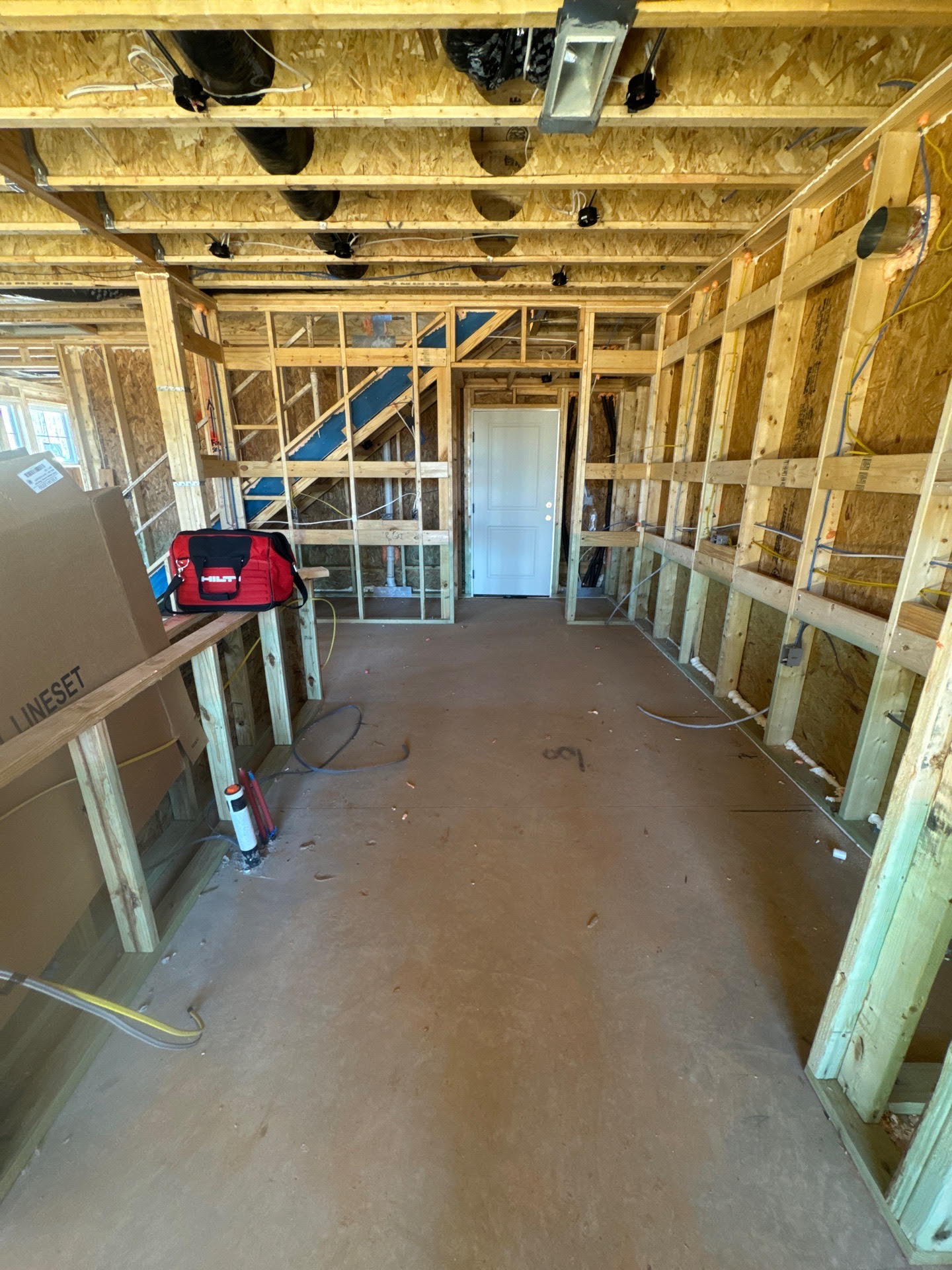
Whether you choose us or not, one of the most important steps you can take during new construction is having the home inspected before the drywall is installed. In North Carolina, a pre-drywall inspection is designed to evaluate the home’s structural framing, major systems, and visible components while everything is still exposed and accessible.
A typical pre-drywall inspection generally takes 3-4 hours, depending on the size and complexity of the home. Since finishes have not yet been installed, the focus is on the structure and rough-in components. During the inspection, our inspector works independently to methodically evaluate the property without interruption, ensuring nothing important is overlooked.
For first-time homebuyers, our inspections also serve as a valuable introduction to homeownership and ongoing maintenance. For more experienced buyers, we focus on identifying significant defects, safety concerns, and major systems that may impact your decision.
Throughout the inspection, we take digital photos and videos to document our findings. After the inspection is complete, we prepare a detailed written report outlining observed conditions and recommendations. Reports are typically delivered the same day in an easy-to-read digital format, unless special arrangements are made.
Our goal is to provide you with clear, accurate information so you can move forward with confidence.
What's Included
All of our home inspectors are licensed in the State of North Carolina and perform inspections in accordance with the North Carolina Home Inspector Licensure Board (NCHILB) Standards of Practice, which outline the minimum requirements for a home inspection. While a pre-drywall inspection is not required by the state, we follow the same professional standards and go beyond them by using specialized equipment on every inspection. At Royal Home Inspections, we evaluate the home while the structure and major systems are still exposed. This allows us to identify installation concerns, structural irregularities, and potential defects before insulation and drywall conceal them. Our inspection process follows North Carolina Standards of Practice while incorporating our own best practices developed through experience inspecting homes throughout the Lake Norman and Greater Charlotte areas.
This inspection applies to single-family homes and townhomes during the framing stage prior to drywall installation.
Roof Structure & Framing
We inspect visible structural roof components from within the attic or framing areas prior to insulation and drywall installation.
Roof trusses and rafters.
Roof decking/sheathing attachment.
Bracing and structural connections.
Roof penetrations (vent stacks, flues, etc.).
Visible flashing installation (if installed at time of inspection).
Exterior
Wall framing
Exterior wall sheathing
House wrap / weather-resistive barrier
Window installation and flashing
Exterior door installation
Deck framing (if installed)
Porch and stoop framing
Garage framing
Foundation walls
Anchor bolts and framing connections
Drainage plane and visible grading (if established)
Garage
Overhead door framing and structural opening
Garage door header support
Fire separation between garage and living space (where applicable)
Draft stopping
Visible electrical rough-in
Basement / Foundation / Structure
Foundation walls
Slab (if applicable)
Crawl space structure
Floor structure (posts, beams, joists, girders, subfloor attachment)
Pier supports and beam connections
Sill plate anchoring
Framing alignment and visible structural irregularities
Electrical (Rough-In)
Service entrance conductors
Panel location and installation (if installed)
Branch circuit wiring
Wire protection plates
Proper wire stapling and support
Outlet and switch box placement
GFCI/AFCI placement (if applicable at this stage)
Bonding and grounding (visible components)
Plumbing (Rough-In)
DWV – Drain, waste, and vent piping
Water supply piping
Proper pipe supports and strapping
Shower/tub valve installation
Hose bib rough-ins
Main water shut-off location
Gas piping (if installed)
Pipe protection plates where required
HVAC (Rough-In)
Furnace or air handler installation (if set)
Ductwork layout and support
Duct sealing
Return air placement
Venting components (if installed)
Refrigerant line routing
Bath and kitchen exhaust duct routing
Interior Framing
Wall framing alignment
Window and door rough openings
Header installation
Stair framing
Blocking and bracing
Fire blocking and draft stopping
Structural penetrations through framing members
Attic
Roof framing connections
Bracing
Ventilation pathways
Baffles (if installed)
Exhaust fan routing
What's Is Not Included At This Stage
Because this inspection occurs prior to drywall and finishes, the following cannot be evaluated:
Final electrical fixture operation
Plumbing fixture operation
Appliance testing
HVAC performance testing
Insulation (if not yet installed)
Cosmetic finishes
(980) 412-5959
Subscribe to our social

